
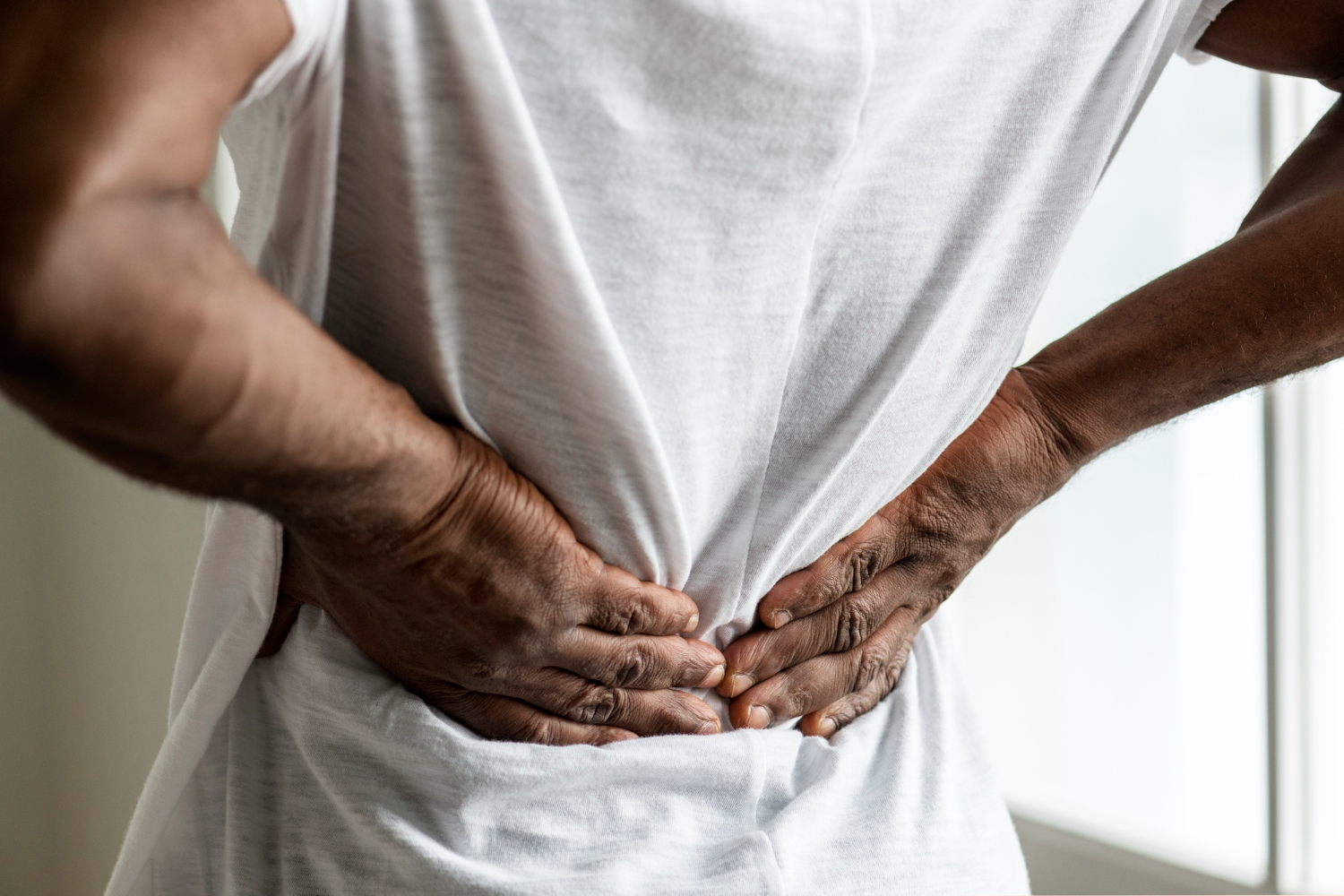
Regain Control Over Debilitating Low Back Pain
Sacroiliac joint pain can turn simple daily plans into a challenge. Tasks like walking around Hulen Park, standing on the sidelines at kids’ sports, or getting a garden ready for warm weather can feel almost impossible when every step sends sharp pain through your lower back and hips. Many people are told they have general low back pain, but the true source often goes missed.
The sacroiliac, or SI, joint is a common but often overlooked cause of chronic low back and buttock pain. When rest, physical therapy, and medication do not bring lasting relief, it can feel like nothing will help. For a small group of people, sacroiliac joint fusion in Cleburne becomes the turning point that allows them to move with confidence again.
In this article, we explain what SI joint pain is, how it is diagnosed, when conservative care is no longer enough, and what happens if sacroiliac joint fusion is recommended. We also share how we walk patients through each step so they feel informed, supported, and heard.
Understanding Sacroiliac Joint Pain
Your SI joints sit low in your back, where the base of your spine meets your pelvis on each side. These joints act like strong shock absorbers. They help transfer weight from your upper body to your hips and legs when you stand, walk, bend, or climb.
Because they carry so much load, SI joints are under stress every day. Common causes of SI joint dysfunction include:
- Previous back or hip surgery
- Trauma, such as a car accident or hard fall
- Pregnancy and childbirth
- Repetitive strain from certain jobs or sports
- Arthritis or age-related wear and tear
When the SI joint becomes irritated or unstable, it can cause pain that is often felt:
- Low in the back, near the belt line
- Deep in the buttock on one or both sides
- In the hip or upper thigh, sometimes with aching or burning
People often notice pain when they move from sitting to standing, climb stairs, stand on one leg to put on pants, or walk on uneven ground. Rolling over in bed can also be uncomfortable.
At a clinic visit in Cleburne, SI joint problems are usually diagnosed through a mix of:
- A detailed history of your symptoms
- A hands-on physical exam, with specific tests that stress the SI joint
- A review of imaging, such as X-rays, MRI, or CT
- Targeted diagnostic injections, where numbing medicine is placed in the SI joint to see if pain improves
That last step is very important. If numbing the joint eases your pain for a short time, it strongly suggests the SI joint is a main source of your symptoms.
When Conservative Care Is No Longer Enough
We do not jump straight to surgery for SI joint pain. Most people start with conservative treatments that are less invasive and often helpful, such as:
- Rest and activity changes
- Physical therapy focused on core strength and hip stability
- Chiropractic care or manual therapy
- Anti-inflammatory medications when appropriate
- SI joint belts or braces for extra support
- Image-guided steroid injections to calm inflammation
At Optimal Pain and Regenerative Medicine, we also offer minimally invasive, regenerative approaches in selected cases, such as platelet-rich plasma or other biologic injections, to support healing and reduce pain. These options are considered carefully based on your history and exam.
Sacroiliac joint fusion in Cleburne becomes a consideration when:
- Pain has lasted six months or longer, despite consistent conservative care
- You cannot stand, walk, or sit long enough to manage normal daily tasks
- You have tried multiple injections that only give short-term relief
- Other causes of pain in the lower back or hips have been ruled out
We follow a step-by-step process to be confident that the SI joint is the true source of pain. This includes confirming that diagnostic SI joint injections give clear, if temporary, relief. Only then do we talk seriously about fusion as a next step.
How Sacroiliac Joint Fusion Works
Sacroiliac joint fusion is a procedure designed to stabilize a painful, unstable SI joint. In simple terms, the goal is to limit abnormal motion in the joint so that irritation and pain decrease over time.
Interventional pain specialists typically use a minimally invasive method. During the procedure:
- A small incision is made over the side of the buttock
- Fluoroscopy or CT imaging is used as a live guide
- Specialized implants or screws are placed across the SI joint
- These implants help the bones grow together for long-term fusion
In Cleburne, this is often done in an outpatient setting. Most patients receive anesthesia or sedation so they are comfortable. The procedure time is usually short, and many people are able to go home the same day with instructions for walking, rest, and early recovery.
The benefits of sacroiliac joint fusion are usually gradual, not instant. You may notice early changes in pain, but it often takes several weeks to months to see full improvement. Over time, many patients report:
- Better walking tolerance
- Less pain when standing from a chair or getting out of a car
- Improved sleep and fewer painful wake-ups
- More comfort during everyday tasks and light activities
Physical therapy or guided exercise is often part of the recovery plan to help build strength and support the fusion.
Is Sacroiliac Joint Fusion in Cleburne Right for You?
Not everyone with SI joint pain is a good candidate for fusion, so a careful evaluation is key. You might be considered for sacroiliac joint fusion in Cleburne if:
- Your SI joint has been confirmed as a major pain source
- Diagnostic injections gave meaningful, but temporary, relief
- You have tried conservative therapies without lasting success
- Pain is seriously affecting your quality of life
Several personal factors are also important, such as your age, bone quality, general health, and any prior spine or hip surgeries. We also talk about your weight and your activity goals, whether that is getting back to work, walking longer distances, or playing with grandkids without constant pain.
Like any surgery, SI joint fusion has risks. These can include:
- Infection
- Nerve irritation or injury
- Nonunion, where the bones do not fuse as expected
- Ongoing or new pain
At Optimal Pain and Regenerative Medicine, we work to lower these risks by using image guidance, careful planning, and detailed pre-procedure assessment. We are open about the possible downsides so that you can weigh them against the potential benefits.
An in-depth consultation in Cleburne gives us time to compare SI joint fusion with other options and design a plan that fits your goals. The focus is always on long-term pain relief and better function, using the least invasive treatment that can reasonably help you.
Take The Next Step Toward Lasting SI Joint Relief
If sacroiliac joint pain is limiting your daily activities, we are here to help you explore proven, long-term solutions. Learn how sacroiliac joint fusion in Cleburne at Optimal Pain and Regenerative Medicine may stabilize your SI joint and reduce chronic pain. Our team will review your history, answer your questions, and build a treatment plan tailored to your needs. To schedule a consultation or ask a question, please contact us today.