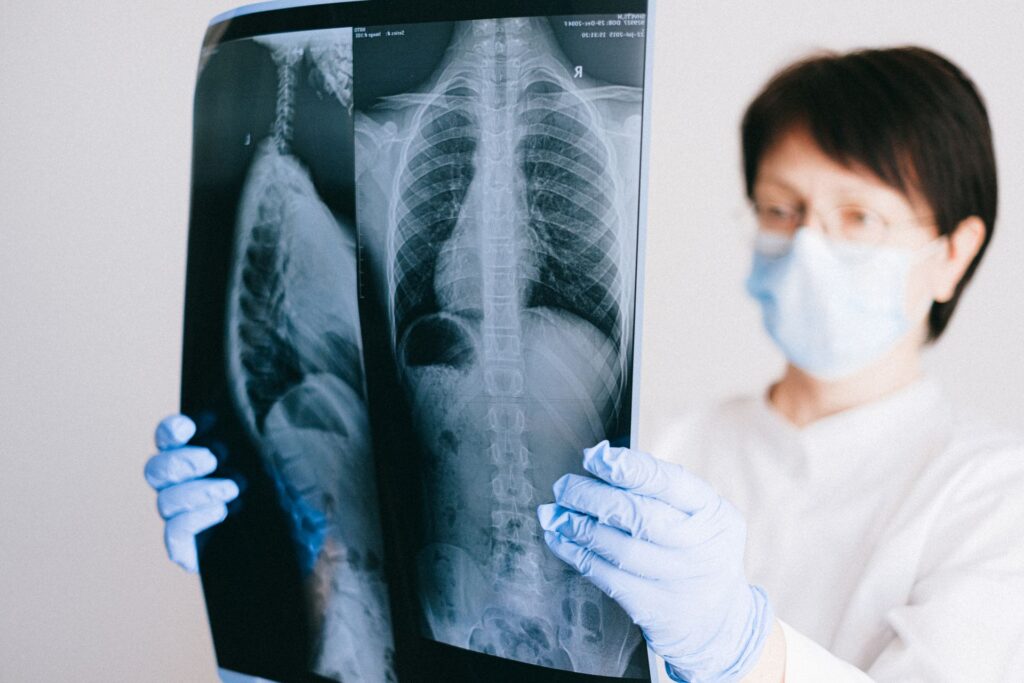
Questioning Spinal Fusion in Weatherford When Back Pain Persists
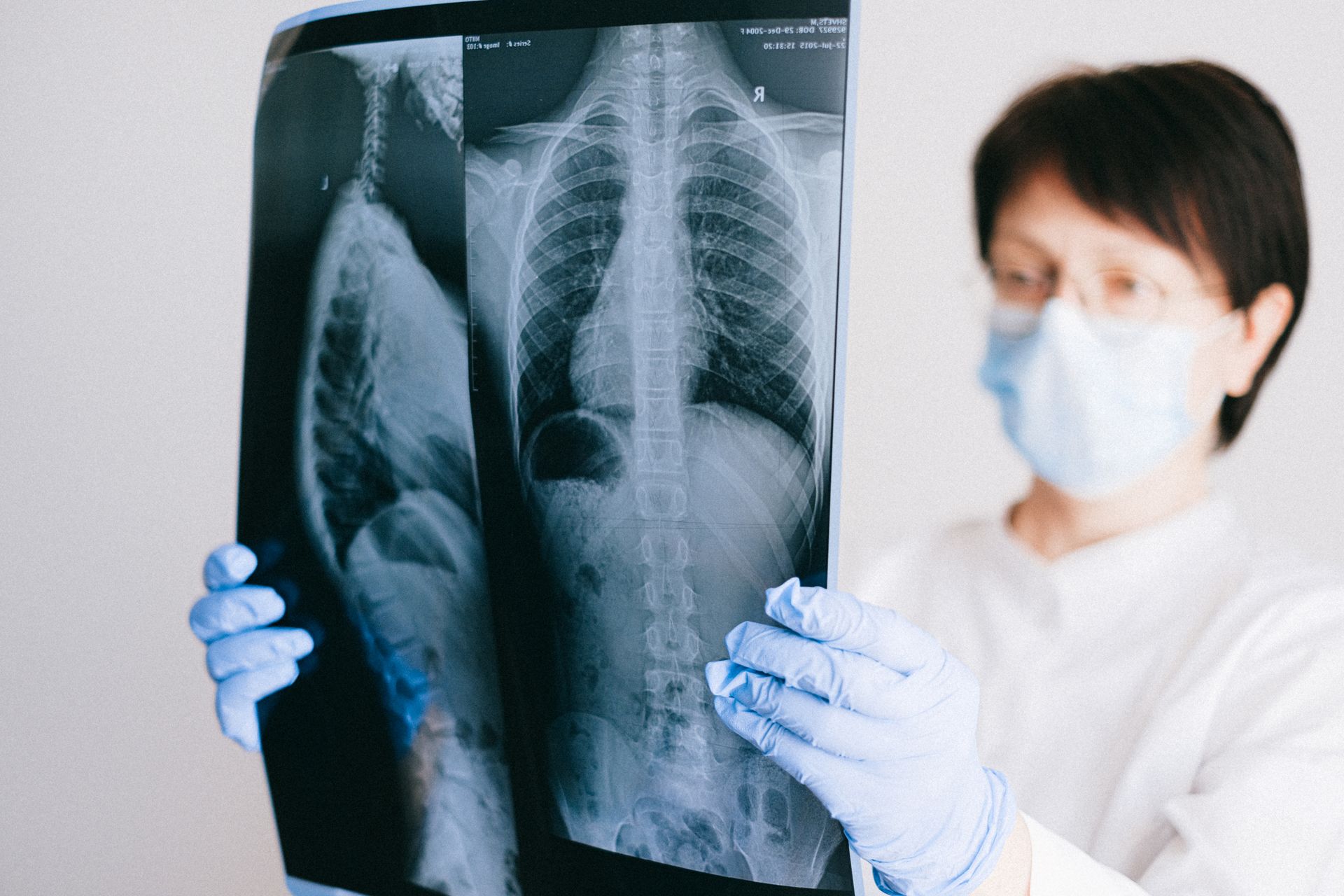
When Back Surgery Fails to End Your Pain
Back surgery is supposed to be the thing that finally lets you get through the day without wincing. Many people in Weatherford choose spinal fusion so they can work, take care of their homes, and keep up with kids or grandkids as the sports and school activities pick up late in the summer. When the pain is still there after all of that, it can feel confusing and frustrating.
Spinal fusion is a surgery that joins two or more bones in your spine so they heal into one solid piece. The goal is to stop motion in a painful area, protect nerves, and give you a more stable back. It is often presented as a “permanent fix,” so many patients expect their pain to be gone for good.
When pain hangs on after spinal fusion in Weatherford, or comes back months or years later, it does not always mean the surgery failed or that you are out of options. It usually means the full story of why you hurt has not been uncovered yet. In this article, we will talk about why pain can continue, how to think about your next step, and what advanced, minimally invasive treatments are available locally, to help you move forward.
Why Back Pain Can Persist After Spinal Fusion
There are several medical reasons pain may continue after a fusion. Some are related to how the spine heals, and some involve nearby areas that start working overtime.
Common sources of pain after spinal fusion include:
- Adjacent segment disease, where levels above or below the fusion wear out faster
- Ongoing or new nerve compression that still irritates a spinal nerve
- Scar tissue around nerves, sometimes called epidural fibrosis
- Nonunion, when the bones do not fully fuse and stay a bit unstable
- Hardware irritation from screws, rods, or plates
Daily life in North Texas can put your back to the test even if your surgery went as planned. Long days on your feet, yard work in the heat, lifting gear for school sports, long drives on rough roads, and travel can all “stress test” your spine. A fusion helps one area, but the rest of your spine and supporting muscles still have to carry the load.
Some soreness after surgery is normal, especially if you are more active some days than others. It is worth getting checked if you notice:
- Pain that keeps getting worse instead of slowly improving
- New leg pain, burning, or numbness
- Weakness in your legs or trouble standing or walking
- Pain that keeps you from sleeping, working, or doing simple tasks
When pain lasts, many people are told they have what doctors call “failed back surgery syndrome.” That does not mean you are a failure, or that your surgeon did something wrong. It means you still hurt after surgery, and you need a careful, team-based look at your spine, nerves, muscles, and daily routine before anyone talks about doing more surgery.
Rethinking Spinal Fusion in Weatherford When Symptoms Linger
In Weatherford and across the DFW area, it is common for people with serious back pain to be referred to a spine surgeon early. Surgery has a clear plan, and for some people it is the right choice. But it is not the only way to treat spine pain, and it is not always the best next step when pain hangs on.
It is reasonable to seek a second opinion if:
- Your pain did not improve after fusion
- Your pain improved at first but is now returning
- You have been told you “need” a second fusion or a bigger surgery
Spine surgeons and interventional pain physicians are both focused on helping you, but they are trained to think about the problem in different ways. Surgeons look at what they can fix with an operation. Interventional pain doctors focus on diagnosing the specific pain generator and treating it with targeted, minimally invasive tools.
Before agreeing to revision surgery or a first spinal fusion, key questions to ask include:
- What is the main source of my pain: joint, disc, nerve, or muscle?
- What non-surgical options have I fully tried and for how long?
- How will this surgery affect my work, family duties, and hobbies?
- What is the plan if the pain does not improve after more surgery?
A practice that focuses on pain and spine care, like our team at Optimal Pain and Regenerative Medicine, can help sort through these questions with detailed exams, advanced imaging review, and targeted diagnostic procedures before you commit to another major operation.
Advanced Interventional Options Beyond More Surgery
When spinal fusion in Weatherford has not given full relief, many people are surprised to learn how many other options exist between “do nothing” and “more surgery.”
Some interventional procedures that may help include:
- Targeted nerve blocks to find and calm irritated nerves
- Radiofrequency ablation to gently heat and quiet painful facet joints
- Spinal cord stimulation to change how pain signals travel to the brain
- Dorsal root ganglion (DRG) stimulation for focused nerve pain in a leg or foot
- Advanced epidural injections tailored to scar tissue or specific nerve roots
These treatments are designed to be:
- Minimally invasive, using small needles and tiny leads
- Often done as outpatient procedures
- Focused on the exact area that is causing pain, such as the facet joints, sacroiliac joints, or nerve roots above or below the fusion
Good spine care rarely relies on a single procedure. The best results usually come from a complete plan that can include:
- Interventional treatments to calm pain generators
- Physical therapy and guided exercise to build strength and flexibility
- Medication adjustments that reduce side effects and that limit opioid use
- Education on posture, lifting, and pacing your activities
With the right mix, many people are able to walk at local parks, sit through a high school football game, or travel to see family with much less pain, and without facing another long surgical recovery.
How Regenerative Medicine May Support Spine Recovery
Regenerative medicine focuses on using carefully selected biologic treatments to support the body’s natural repair processes and reduce inflammation. At our practice, we use these therapies as part of a broader plan to help joints, discs, ligaments, and muscles that are contributing to pain.
After a spinal fusion, nearby structures often work harder to keep you moving. Regenerative options may be considered for:
- Facet joints that have become arthritic or stressed
- Sacroiliac joints that pick up extra motion after lower back fusion
- Paraspinal muscles and soft tissues that are tight, strained, or inflamed
It is important to be honest about what regenerative medicine can and cannot do. These treatments are not a miracle cure, and they are not meant to “fix” a fusion that did not heal. They may, however, support stability, improve comfort in overloaded joints and tissues, and work alongside interventional procedures, therapy, and lifestyle changes.
When combined thoughtfully, interventional and regenerative care can help some patients get more benefit from a past spinal fusion in Weatherford and the DFW region, and in some cases, reduce the need for additional surgery.
Taking Control of Your Next Step, Not Just Your Next Surgery
Living with daily back pain after spinal fusion is not something you just have to accept, even if you have been told to “give it more time.” As seasons change and your schedule gets busier, it becomes even more important to listen to your body and seek help when pain limits the life you want.
The key points to remember are simple: there are many reasons pain can stick around after fusion, a careful evaluation can uncover treatable sources of pain, and there are advanced interventional and regenerative options that sit between doing nothing and going back to the operating room. At Optimal Pain and Regenerative Medicine in the DFW area, we focus on helping you understand your spine, your options, and your goals so you can make informed, confident decisions about what comes next.
Take The Next Step Toward Lasting Back Pain Relief
If back pain is limiting your daily life, we are here to help you understand your options and find a path forward. Explore whether our minimally invasive alternative to spinal fusion in Weatherford is the right fit for your condition. At Optimal Pain and Regenerative Medicine, we will review your history, explain your choices clearly, and recommend a personalized plan. To schedule a consultation or ask questions, please contact us today.