
PRP vs. Cortisone for Knee Pain: How Are the Options Different?
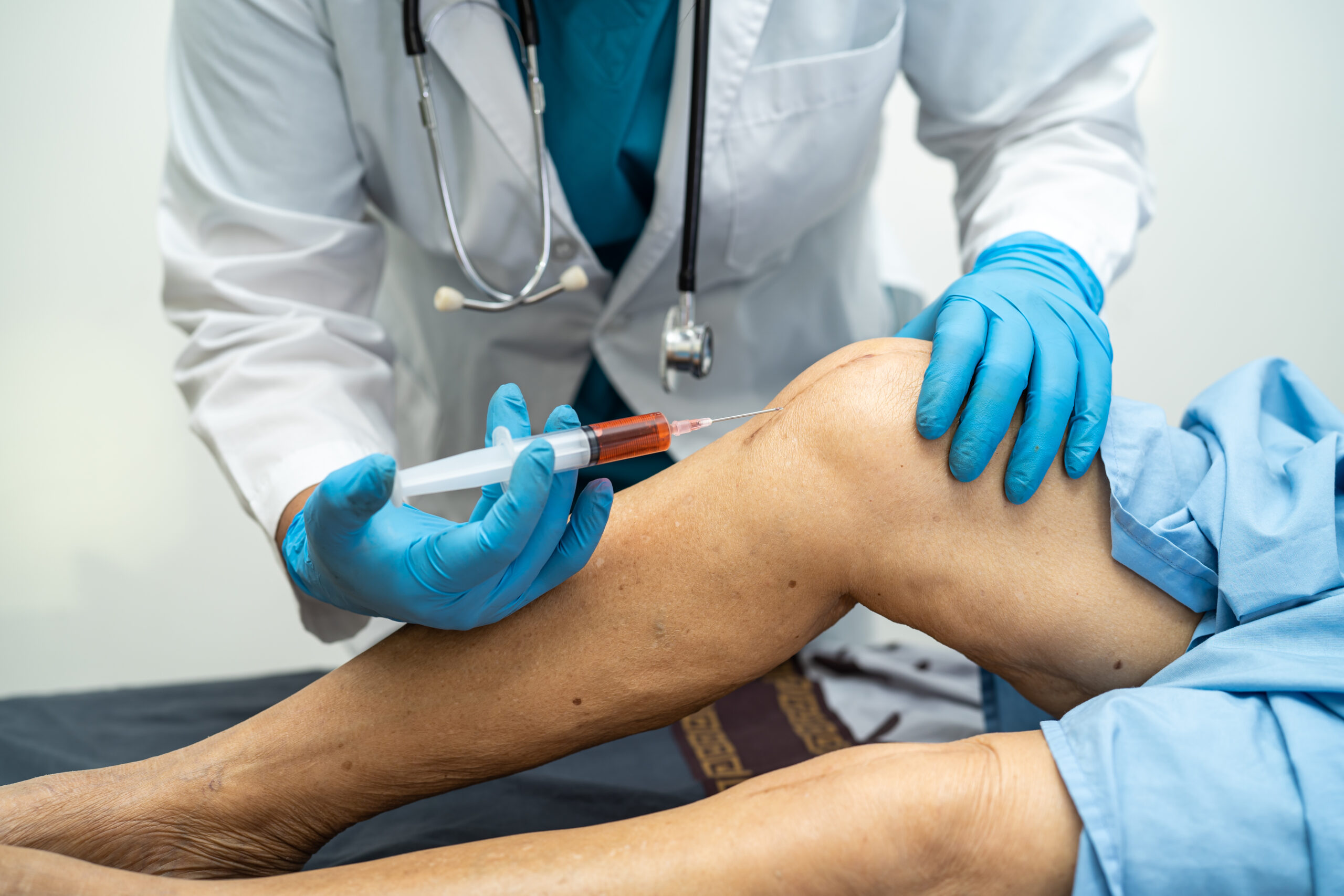
PRP and corticosteroid injections are not interchangeable. Corticosteroid is used to reduce inflammation and may provide relatively quick symptom relief for selected conditions. Platelet-rich plasma is prepared from the patient’s own blood and is intended to deliver a concentrated platelet product to a targeted area. Evidence, onset, cost, coverage, and appropriate use vary by diagnosis, so the decision should begin with a clear knee evaluation.
OPTIMAL evaluates patients through its platelet-rich plasma therapy.
The treatment goals differ
Cortisone primarily targets inflammation. PRP is discussed as a biologic approach, but it should not be marketed as a guaranteed way to regrow cartilage or cure arthritis. The expected benefit depends on the condition, preparation, and patient.
The timeline may feel different
Corticosteroid benefit may begin sooner, while PRP protocols often anticipate a slower response and temporary post-injection soreness. Neither option produces the same result for every patient.
Patients can review knee pain evaluation once that destination page is published and approved.
Diagnosis matters more than the label
Knee pain may arise from arthritis, meniscus or ligament injury, tendon problems, referred pain, or other causes. The same injection is not appropriate for every source.
Risk, medication, and health history affect the choice
Diabetes, infection risk, blood-thinning medication, immune conditions, and prior injections can change the discussion. Patients should ask how medications are handled and what evidence supports the recommendation for their diagnosis.
Cost and insurance can differ
Corticosteroid injections are commonly covered when medical criteria are met. PRP coverage varies and is often self-pay. Obtain the expected cost and payment policy before scheduling.
How a pain physician narrows the decision
A search for PRP vs cortisone for knee pain can identify possibilities, but it cannot determine the pain generator or individual risk. The physician begins with the timing, location, quality, and triggers of the symptoms. The examination then tests movement, strength, sensation, reflexes, tenderness, and other findings relevant to the suspected condition. Prior records and imaging are used to answer a specific clinical question, not to replace the examination.
A recommendation should connect each piece of evidence to the next step. Ask the clinician to explain which finding supports the diagnosis, which alternatives remain possible, and what information would change the plan. This approach is especially important when imaging shows more than one abnormality or when several treatments have already been attempted.
How to prepare for a productive consultation
Create a one-page timeline before the visit. Include the onset or injury, major changes, treatments tried, benefits, side effects, and the activity that is currently hardest. Bring an accurate medication and allergy list, relevant imaging, procedure reports, and questions about recovery, restrictions, cost, and insurance authorization. Do not stop prescribed medication unless the responsible clinician gives instructions.
Choose two or three functional goals that can be measured. Examples include driving for 30 minutes, walking through a grocery store, working a full shift, sleeping with fewer interruptions, or reducing reliance on an assistive device. Those goals give the treatment team concrete outcomes to revisit at follow-up and help prevent a temporary change in pain score from being mistaken for complete success or failure.
Questions to bring to the consultation
- What diagnosis best explains the symptom pattern?
- What alternatives should be tried first?
- What outcome would count as meaningful improvement?
- What are the common and serious risks for me?
- What happens if the proposed treatment does not help?
A measured next step
The right next step is an individualized evaluation, not a procedure chosen from symptoms alone. OPTIMAL Pain & Regenerative Medicine can review the history, prior care, examination findings, and available imaging before discussing appropriate options and limitations.
Ready to discuss the next step? schedule a consultation.
Frequently Asked Questions
Does PRP contain stem cells?
PRP is prepared from blood and is not the same as a stem cell product.
Can cortisone damage the knee?
Frequency and patient factors matter. Ask the physician about cumulative risks and appropriate spacing.
Which option works better?
There is no universal answer. The diagnosis, severity, goals, prior care, and evidence for the specific condition control the recommendation.
Medical review note
This educational article is not a diagnosis or individual medical advice. Have the final draft reviewed by an OPTIMAL physician before publication. Clinical background source: FDA regenerative medicine consumer information.