Discover a Non-Surgical Option for Joint Pain Relief
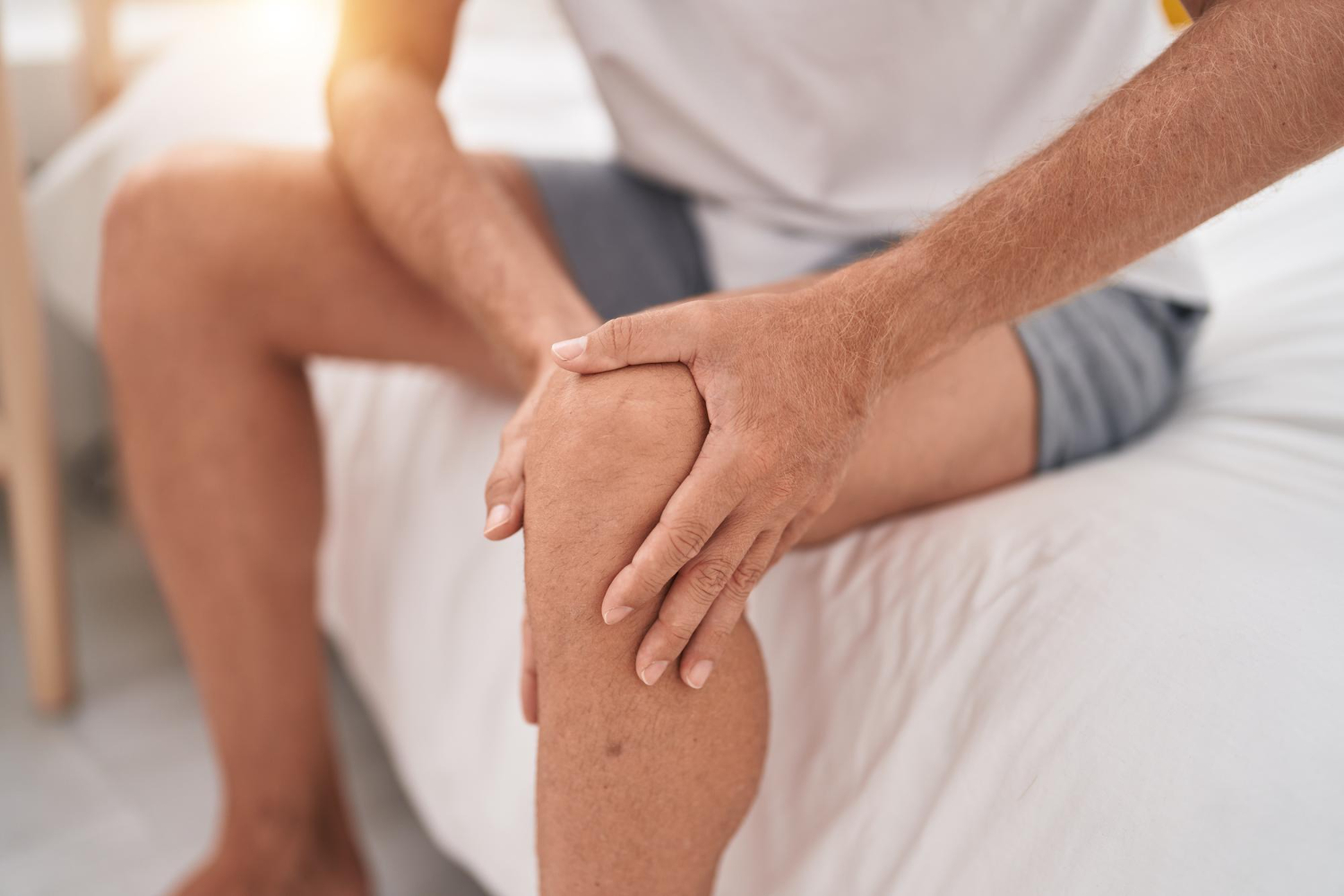
Joint pain can make even simple things feel hard. Walking around the neighborhood, gardening in the yard, playing a round of golf, or enjoying a casual game of pickleball can turn into something you avoid instead of something you look forward to. When knees, shoulders, hips, ankles, or elbows hurt all the time, it can affect your mood, your sleep, and your plans with friends and family.
Many people in Cleburne and the greater DFW area try rest, ice, heat, over-the-counter pills, or even prescription medications and injections. Sometimes those help, but the relief does not always last. If you want to stay active and are not ready for surgery, you may be wondering if platelet-rich plasma in Cleburne could be another option.
In this article, we will explain what platelet-rich plasma (PRP) is, how it works, who it may help, and what a typical treatment visit looks like at our pain and regenerative medicine practice. Our goal is to give you clear, simple information so you can talk with a medical professional about whether PRP might be a good next step for your joint pain.
What Platelet-Rich Plasma Therapy Really Is
PRP starts with your own blood. Your blood has a few main parts. Two of the most important for this treatment are:
- Platelets, tiny cell fragments that act like first responders when you are hurt
- Plasma, the liquid part of blood that carries platelets, proteins, and other helpful factors
Platelets are known for helping blood clot, but they also carry growth factors. These are natural chemicals that support the body’s healing processes. Plasma is the fluid that moves those platelets and growth factors through your body.
During a PRP visit for joint pain, the process is usually simple:
- A small amount of blood is drawn from your arm
- The blood is placed in a special machine called a centrifuge
- The centrifuge spins the blood to separate and concentrate the platelets
- The platelet-rich portion is collected into a syringe
- That concentrated PRP is carefully injected into the painful joint
Because PRP uses your own blood, it is called an autologous treatment. This lowers the chance of an allergic reaction and is one reason many people tolerate the procedure well.
PRP is different from cortisone shots or pain pills. While those can bring short-term relief by calming inflammation or blocking pain signals, they do not aim to support the healing environment of the joint. PRP is designed to introduce a higher concentration of your own growth factors to the area, with the goal of helping the tissue respond in a more natural way over time.
PRP is commonly used for:
- Mild to moderate osteoarthritis in joints like the knee or hip
- Tendon problems around the shoulder, elbow, or ankle
- Ligament strains and sprains
- Sports or overuse injuries that are slow to calm down
How PRP May Help Your Joints Heal and Move Better
The exact way PRP works is still being studied, but the idea is fairly simple. When we inject a high concentration of your platelets into a joint, those platelets release growth factors into the nearby tissue. These growth factors may:
- Support the body’s natural repair processes in cartilage, tendons, and ligaments
- Help reduce certain sources of inflammation inside the joint
- Improve the overall environment in and around the joint over time
Many patients who choose platelet-rich plasma in Cleburne are hoping for:
- Less day-to-day pain
- Better range of motion
- Easier walking, bending, lifting, or reaching
- A chance to delay or avoid surgery
Results are not the same for everyone. Some people notice improvement within a few weeks. For others, changes build more slowly over several months. PRP is not a guaranteed cure, and it does not rebuild a completely worn-out joint. It is one tool that can be part of a larger plan.
PRP often works best when combined with other care, such as:
- Structured physical therapy
- Bracing or supports when needed
- Thoughtful activity changes to avoid repeat strain
- Healthy habits like weight management and regular low-impact exercise
Because the treatment uses your own blood, side effects are usually limited to temporary soreness, swelling, or stiffness around the injection site shortly after the procedure. A medical professional will review your health history and medicines to help you understand your personal risk.
Who Is a Good Candidate for Platelet-Rich Plasma in Cleburne
PRP is not right for every single person, but there are common patterns in people who may benefit. Good candidates often include adults who:
- Have ongoing knee, shoulder, hip, ankle, or elbow pain
- Feel limited in daily tasks or hobbies, like walking, yard work, or sports
- Have already tried rest, basic therapy, or medications without lasting relief
- Are hoping to avoid or delay joint surgery
PRP is often considered when exams and imaging suggest mild to moderate osteoarthritis, tendon irritation, or ligament issues, and there is still tissue that appears responsive. Sports-related and overuse injuries in active adults sometimes fall into this group.
There are also times when PRP may not be the best choice. It may not be recommended if:
- You have advanced, bone-on-bone arthritis with very little joint space left
- You have uncontrolled diabetes or certain blood or immune system problems
- You have an active infection
- You have a bleeding disorder or take some blood-thinning medicines
That is why a personalized evaluation is so important. At Optimal Pain and Regenerative Medicine, our team reviews your medical history, listens to your symptoms, performs a physical exam, and, when needed, looks at imaging like X-rays or MRI scans. After that, we can discuss whether PRP, a different type of injection, or another pain management approach might fit your situation best.
If you live in Cleburne or nearby communities, you do not have to travel far into Dallas or Fort Worth to seek this kind of care. You can work with specialists who focus on pain and regenerative treatments closer to home.
What to Expect From a PRP Joint Treatment Visit
If you and your provider decide to move forward with platelet-rich plasma in Cleburne, it can help to know what the visit may look like from start to finish.
A typical PRP joint treatment visit often includes:
- Discussion of your symptoms, goals, and medical history
- Focused physical exam of the painful joint
- A small blood draw from your arm
- On-site preparation of the PRP using a centrifuge
- Cleaning and numbing of the skin over the joint
- Guided injection of PRP into the target area
For accuracy and safety, many joints are injected using ultrasound or fluoroscopic imaging. This helps your provider place the PRP where it is most needed.
Most visits are done on an outpatient basis. You can usually walk out the same day. Right after the injection, you may feel:
- Soreness or pressure in the joint
- Mild stiffness for a few days
- Temporary limits in your usual activity level
You will receive instructions about:
- How long to rest the joint
- When to ease back into normal daily tasks
- When to restart or begin physical therapy
- Which medicines you should avoid for a short time, such as some anti-inflammatory drugs, if your provider advises this
The number of injections varies. Some people receive a single treatment. Others may have a short series spaced out over several weeks. Many notice changes in pain and function over time, rather than right away, as the body responds to the PRP.
At Optimal Pain and Regenerative Medicine, we focus on building an integrated plan. PRP is often combined with guided exercise plans, possible bracing, and lifestyle guidance to help support the health of your joints for the long term.
Take the Next Step Toward Easier Movement
If joint pain is causing you to sit out from the activities you enjoy, and standard care has not given you the relief you want, it may be time to look at other options. Platelet-rich plasma in Cleburne offers a minimally invasive way to support your body’s own healing processes using your own blood.
When you are deciding on your next step, it can help to think about:
- How much pain is limiting your daily life or hobbies
- Whether you are hoping to avoid or delay surgery
- How open you are to regenerative treatments that work over time instead of overnight
- Your willingness to follow a full recovery plan that includes movement and healthy habits
The team at Optimal Pain and Regenerative Medicine is here to help you understand your choices and build a plan that fits your needs and goals, so you can move with more comfort and confidence.
Start Relieving Pain And Restoring Mobility Today
If you are ready to address pain at its source instead of masking symptoms, our team at Optimal Pain and Regenerative Medicine is here to help. Learn how platelet rich plasma in Cleburne may support your body’s natural healing so you can return to the activities you enjoy. To schedule a personalized consultation and get clear answers about your options, please contact us today.