Living with Degenerative Disc Disease in Weatherford Without Losing Mobility
Staying Active with Degenerative Disc Disease in Weatherford
Living with chronic back or neck pain can make simple things feel hard. Degenerative disc disease in Weatherford can affect walking, working, driving, and even relaxing at home. Many people worry that this diagnosis means they will lose their mobility or have to give up the activities they love.
That fear is understandable, but it is not the whole story. With the right diagnosis, a thoughtful treatment plan, and smart daily habits, many people keep moving, keep working, and keep enjoying life. In a place like Weatherford, where outdoor time, gardening, ranch work, and sports are a way of life, taking care of your spine is a big part of staying independent and active.
Understanding Degenerative Disc Disease in Weatherford
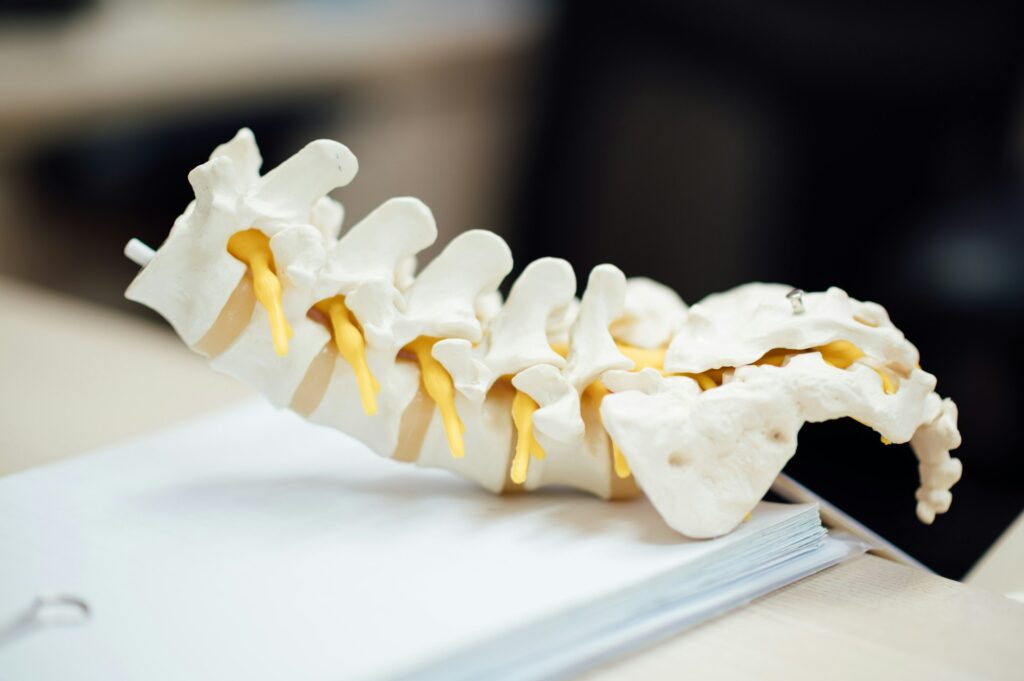
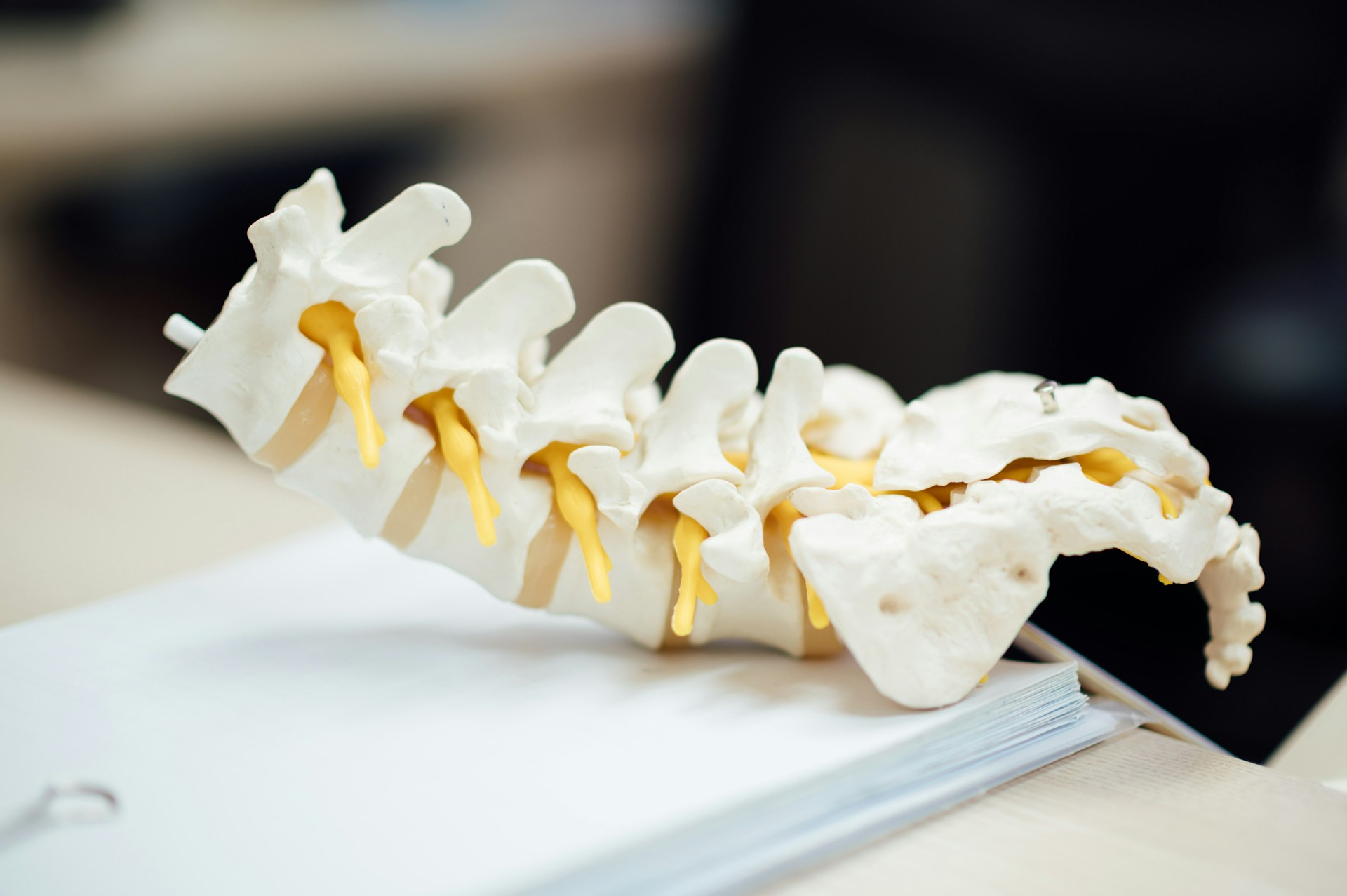
Degenerative disc disease, often called DDD, happens as the soft discs between the bones of your spine wear down over time. These discs act like small cushions and shock absorbers. As they lose height or dry out, they can cause pain, stiffness, and less range of motion in your back or neck.
Common symptoms can include:
- Ongoing low back or neck pain
- Pain that gets worse when you sit, bend, twist, or lift
- Pain that spreads into the hips, legs, shoulders, or arms
- Numbness, tingling, or weakness in the arms or legs
- Flare-ups that come and go, with some days better than others
In Weatherford and the DFW area, many of us have physical jobs or active routines. Long days on a ranch or farm, lifting feed or equipment, frequent driving for work, and past injuries from sports or accidents can all add stress to the spine. Over time, this can speed up wear and tear on the discs.
Getting an accurate diagnosis is very important. That usually includes:
- A careful medical history and physical exam
- Imaging, such as X-rays or other advanced scans when needed
- Tests to see which movements trigger pain and which ones feel better
When we know exactly where the pain is coming from, treatment can be more focused and more effective.
Daily Habits That Protect Your Spine and Mobility
What you do every day can make a big difference in how your back or neck feels. Small changes in posture and movement can reduce strain on your discs and help you stay mobile.
For everyday tasks, try to:
- Keep items close to your body when you lift, instead of reaching and twisting
- Bend at the hips and knees, not at the waist
- Use both hands to lift, and ask for help with heavy or awkward loads
- Turn your whole body instead of twisting your spine
When getting in and out of a truck, sit first, then swing your legs in as a unit. When caring for animals or working in the yard, use tools with long handles, kneel on a pad instead of bending at the waist, and take short breaks to stand tall and stretch.
At home, simple strengthening and flexibility work can help support your spine. Focus on:
- Gentle core strengthening, such as easy abdominal tightening while lying on your back
- Hip and hamstring stretches to reduce pulling on the lower back
- Light glute strengthening, like small bridges or standing leg lifts if they are comfortable
During hot summer months in Weatherford, be careful with outdoor chores. Stay hydrated, plan heavier work for cooler hours, and pace yourself. If you feel a flare coming on, slow down instead of pushing through hard pain.
For pain flares, it may help to:
- Alternate short periods of activity with short periods of rest
- Use ice for sharp or fresh pain, and heat for stiff, achy muscles if recommended by your provider
- Do gentle stretching instead of staying completely still all day
These habits are not a cure, but they can reduce stress on your spine and help you move with less pain.
Weatherford-Friendly Exercise and Activity Ideas
Staying active is one of the best ways to protect your mobility with degenerative disc disease in Weatherford. The goal is not heavy workouts, but regular movement that you can keep up over time.
Low-impact ideas that work well for many people include:
- Walking on flat, shaded trails or in local parks
- Aquatic exercise in a pool, which takes pressure off the spine
- Using indoor gyms or community centers during extreme heat
- Gentle stationary biking, if comfortable
If you enjoy gardening, try raised beds, garden stools, and short work intervals. For golf or fishing, warm up your back and hips with light stretching before you start, and watch your posture as you swing, cast, or lift gear. With ranch or yard work, break big jobs into several smaller chunks during the day.
Safe activity tips:
- Warm up with 5 to 10 minutes of easy movement before chores or exercise
- Notice early signs of overuse, such as building stiffness, sharper pain, or growing fatigue
- When symptoms rise, lower your intensity or time instead of stopping all movement
It can help to create a simple weekly plan that includes:
- Light cardiovascular activity most days of the week, even if just a short walk
- Strength work 2 or 3 days per week, focusing on core, hips, and legs
- Flexibility and stretching several times per week
- At least one easy day for extra rest and recovery
This balance helps your spine, muscles, and joints share the workload.
Advanced Pain Relief and Regenerative Options in DFW
Sometimes, even with good habits, pain is still strong enough to limit walking, working, sleep, or time with family. When that happens, it may be time to see a pain and regenerative medicine specialist.
A specialist can review your history, imaging, and daily goals, then discuss options such as:
- Image-guided epidural steroid injections to help reduce inflammation near irritated nerves
- Facet joint injections when the small joints along the spine are a main source of pain
- Nerve blocks that can calm pain signals from irritated nerves
At Optimal Pain and Regenerative Medicine, we also offer regenerative medicine options, such as platelet-rich plasma (PRP) and other biologic therapies designed to support tissue healing and function in certain spine conditions. These treatments are carefully selected based on your specific situation and overall health.
The most helpful plans are often multidisciplinary. That can include:
- Interventional procedures for targeted pain relief
- Regenerative therapies when appropriate
- Thoughtful medication management when needed
- Coordinated physical therapy and guided exercise
Working as a team, we can match treatments to your goals, whether that is getting through a workday with less pain, traveling more easily, or keeping up with kids or grandkids.
Building a Long-Term Plan to Stay Moving in Weatherford
Waiting until pain is severe or mobility is already very limited can make recovery harder. Early attention to symptoms, even if they feel mild, can help protect your function over the long term.
Living well with degenerative disc disease in Weatherford usually includes:
- Learning what is happening in your spine and what it means for your daily life
- Building smart daily habits that protect your back and neck
- Staying active with the right mix of cardio, strength, and flexibility
- Using targeted medical or regenerative treatments when needed to control pain and support function
Degenerative disc disease is only one part of your story. With knowledgeable care and steady, realistic changes, many people in our community keep working, playing, and enjoying the active lifestyle they value. At Optimal Pain and Regenerative Medicine, we are here to help you build a plan that fits your life in Weatherford and supports the mobility you want to keep.
Start Relieving Your Back Pain With Targeted, Minimally Invasive Care
If you are struggling with degenerative disc disease in Weatherford, our team at Optimal Pain and Regenerative Medicine is ready to help you explore precise, minimally invasive options. We will evaluate your symptoms, review your imaging, and create a treatment plan tailored to your lifestyle and goals. To schedule a visit or ask questions about your next steps, please contact us today.