
Neuropathy Treatment in Fort Worth: What Options Depend on the Cause?
Neuropathy treatment depends on why the nerves are damaged or irritated. Diabetes, vitamin deficiency, medication effects, autoimmune disease, infection, compression, inherited disorders, and other causes can produce similar burning, tingling, numbness, or weakness. A useful plan starts by identifying treatable contributors, protecting function, and matching symptom control to the patient’s overall health.
OPTIMAL evaluates patients through its peripheral neuropathy.
The first goal is identifying the cause
The evaluation may include a medical and medication history, neurologic examination, laboratory testing, imaging, or electrodiagnostic studies. Not every patient needs every test. The pattern and progression determine what information is likely to change care.
Treating the driver can protect nerves
Improving glucose control, correcting a documented deficiency, changing a contributing medication, or addressing nerve compression may limit further injury. These decisions should be coordinated with the clinician managing the underlying condition.
Patients can review Fort Worth pain specialists once that destination page is published and approved.
Symptom relief is only one part of care
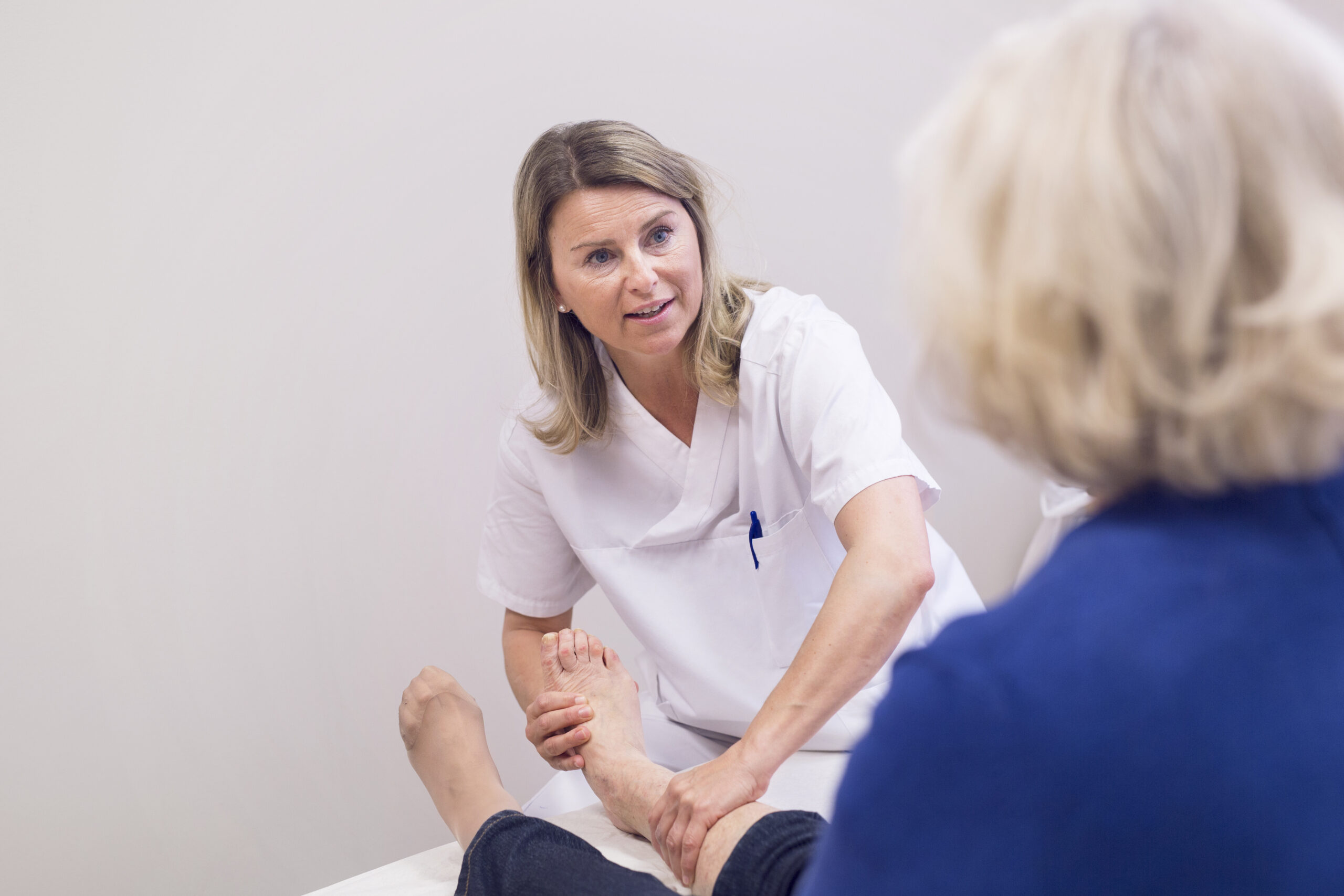
Medications, topical options, therapy, balance training, assistive strategies, or selected nerve-targeted treatments may reduce discomfort or improve safety. Complete numbness can be as important as pain because it raises fall, burn, and foot-injury risk.
Advanced pain options require careful selection
Neuromodulation or other procedures may be discussed for refractory neuropathic pain after the diagnosis and conservative options are reviewed. Candidacy depends on the pain pattern, goals, risks, and sometimes a trial phase.
Know when weakness is urgent
Rapidly progressive weakness, trouble breathing or swallowing, new inability to walk, sudden one-sided symptoms, or bowel or bladder changes require urgent assessment.
How a pain physician narrows the decision
A search for neuropathy treatment Fort Worth can identify possibilities, but it cannot determine the pain generator or individual risk. The physician begins with the timing, location, quality, and triggers of the symptoms. The examination then tests movement, strength, sensation, reflexes, tenderness, and other findings relevant to the suspected condition. Prior records and imaging are used to answer a specific clinical question, not to replace the examination.
A recommendation should connect each piece of evidence to the next step. Ask the clinician to explain which finding supports the diagnosis, which alternatives remain possible, and what information would change the plan. This approach is especially important when imaging shows more than one abnormality or when several treatments have already been attempted.
How to prepare for a productive consultation
Create a one-page timeline before the visit. Include the onset or injury, major changes, treatments tried, benefits, side effects, and the activity that is currently hardest. Bring an accurate medication and allergy list, relevant imaging, procedure reports, and questions about recovery, restrictions, cost, and insurance authorization. Do not stop prescribed medication unless the responsible clinician gives instructions.
Choose two or three functional goals that can be measured. Examples include driving for 30 minutes, walking through a grocery store, working a full shift, sleeping with fewer interruptions, or reducing reliance on an assistive device. Those goals give the treatment team concrete outcomes to revisit at follow-up and help prevent a temporary change in pain score from being mistaken for complete success or failure.
Questions to bring to the consultation
- What diagnosis best explains the symptom pattern?
- What alternatives should be tried first?
- What outcome would count as meaningful improvement?
- What are the common and serious risks for me?
- What happens if the proposed treatment does not help?
A measured next step
The right next step is an individualized evaluation, not a procedure chosen from symptoms alone. OPTIMAL Pain & Regenerative Medicine can review the history, prior care, examination findings, and available imaging before discussing appropriate options and limitations.
Ready to discuss the next step? our physicians.
Frequently Asked Questions
Can neuropathy be reversed?
Some causes improve when the underlying problem is corrected. Other nerve damage may be permanent, making symptom control and function the priorities.
Why are foot checks important?
Reduced sensation can hide cuts, pressure injuries, burns, or infection.
Is every burning foot symptom neuropathy?
No. Circulation, skin, joint, and spine problems can cause overlapping symptoms.
Medical review note
This educational article is not a diagnosis or individual medical advice. Have the final draft reviewed by an OPTIMAL physician before publication. Clinical background source: NINDS peripheral neuropathy overview.