
When Summer Knee Pain Becomes a Bigger Problem
Knee pain has a way of showing up right when you want to enjoy the season. Extra yard work, chasing kids at the park, walking around the Weatherford square, or long days at the lake can all stress your knees, especially in the summer heat. A little soreness is common when you are more active than usual, but sometimes that “summer flare-up” points to a deeper issue inside the joint.
Some pain settles down with a few days of rest. Other pain keeps nagging, returns as soon as you move, or suddenly feels different from what you are used to. That is when it may be time to take it more seriously. In this article, we will explain how to tell normal soreness from warning signs, when imaging makes sense, and when specialist knee pain treatment in Weatherford could help protect your knees for the long term.
Normal Post-Activity Soreness vs. Concerning Pain
After a big day of yard work or a long hike at Weatherford Lake, it is common for your knees to feel a little tired. Normal post-activity soreness usually looks like this:
- A dull, achy feeling in or around the knee
- Stiffness that is worse right after you stop moving
- Symptoms easing with rest, ice, and elevation
- Improvement over a few days, not getting worse
This kind of soreness often comes from muscles and soft tissues being pushed harder than they are used to. With short-term rest and simple care, it typically improves on its own.
Pain becomes more concerning when it changes in intensity or timing. Red flags in the pattern of pain include:
- Sharp or stabbing pain with certain movements
- Pain that wakes you up at night or keeps you from falling asleep
- Pain that gets worse, even though you have cut back on activity
- Pain that keeps you from normal tasks like walking, squatting, or using stairs
Common summer activities in North Texas can uncover problems that were already there. Things like kneeling in the garden, playing pick-up sports, or jumping back into workouts after a break can reveal:
- Hidden arthritis changes in the knee joint
- Meniscus problems that cause catching or twisting pain
- Tendon or ligament irritation that does not calm down
If pain keeps returning every time you try to be active, it may be more than a simple strain.
Red Flag Symptoms That Should Never Be Ignored
Some knee symptoms are clear warning signs that something more serious could be going on. These red flags often call for prompt imaging or specialist care, especially after a twist, slip, or awkward landing.
Seek prompt medical attention if you notice:
- Sudden inability to put weight on the leg
- The knee giving out or feeling like it will buckle
- Locking, catching, or being unable to fully straighten or bend the knee
- Severe swelling or obvious deformity
- A loud pop at the time of injury followed by quick swelling
These can point to problems like ligament tears, meniscus tears, or even fractures. Quick evaluation can help protect your joint and guide the right treatment plan.
There are also more urgent whole-body signs to watch for:
- Redness and warmth in the knee along with a fever
- Severe night pain that does not ease with rest
- Rapid, tense swelling soon after a twist or fall
- Calf pain or unusual swelling in the leg
These might suggest infection, a significant internal injury, or a possible clot, all of which need medical attention.
Certain people should act even faster when red flags appear:
- Older adults with known joint wear and tear
- Anyone with a history of knee surgery or serious knee injury
- People living with diabetes or inflammatory arthritis
In these cases, waiting to “see what happens” can lead to bigger problems and longer recovery.
When to Get Imaging for a Summer Knee Flare-up
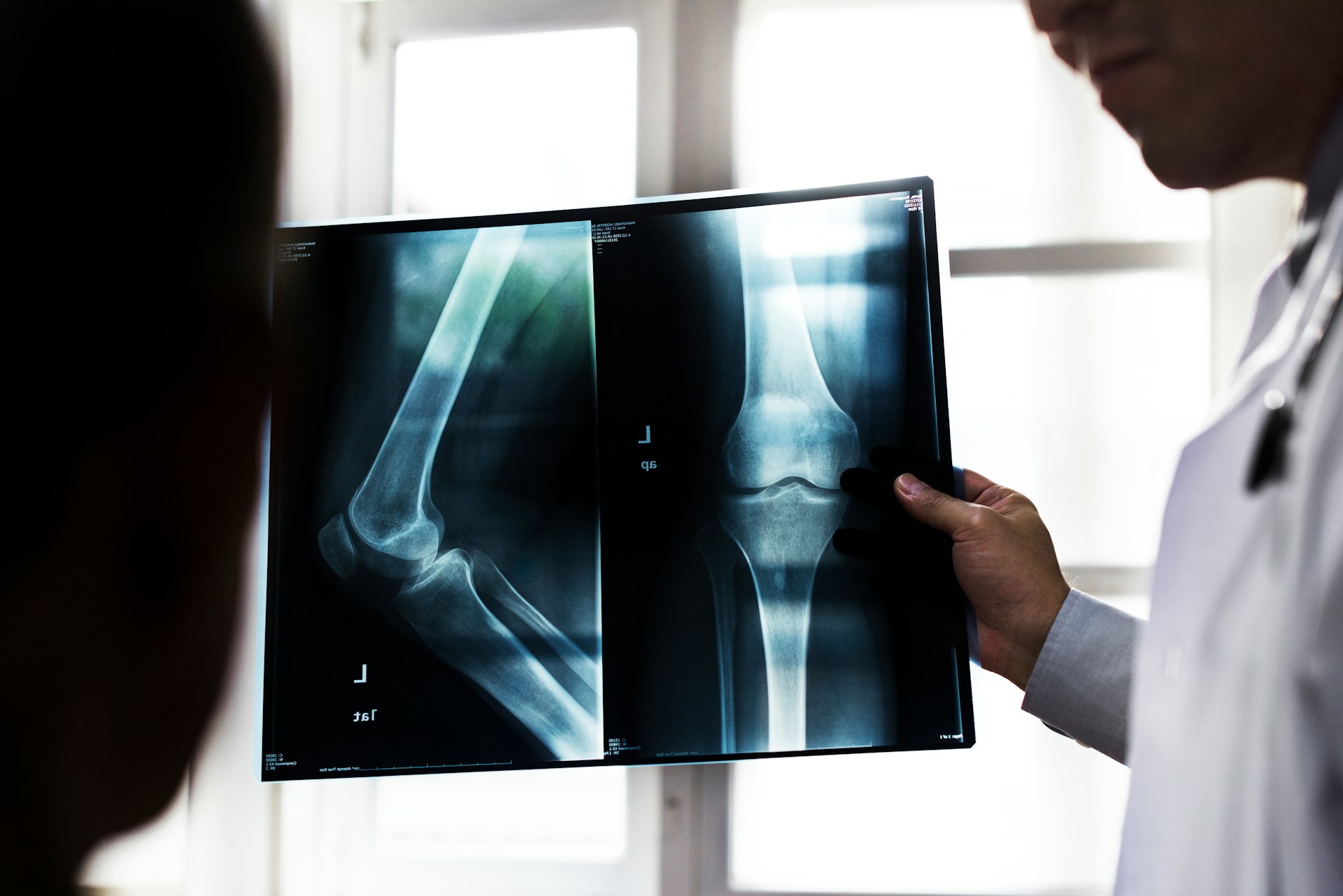
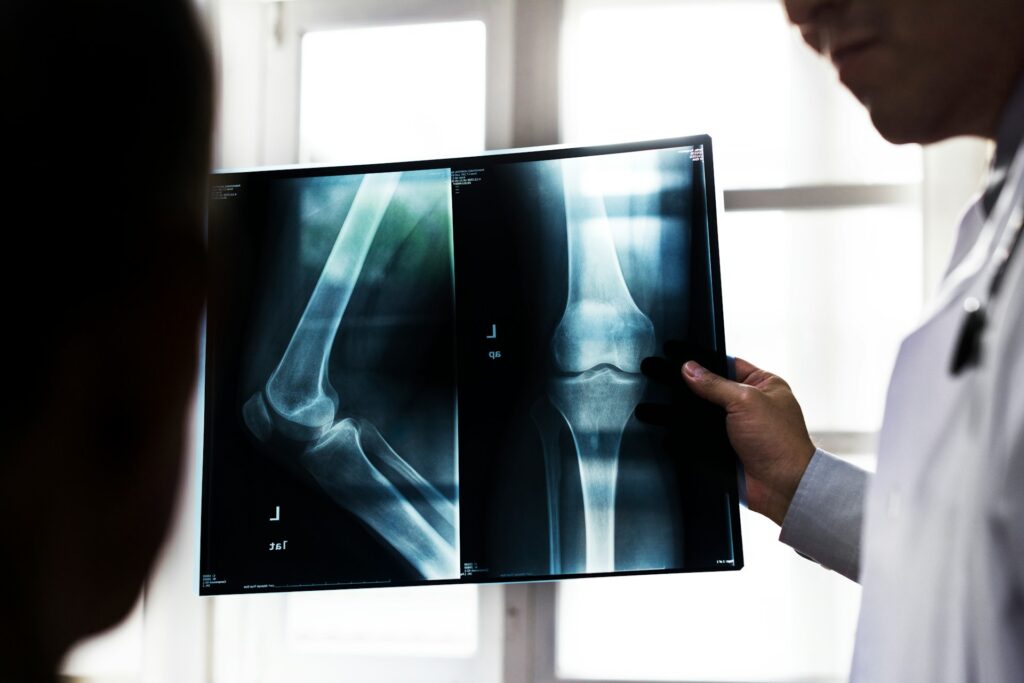
Imaging helps clarify what is happening inside the knee so treatment can target the real problem. Different types of imaging give different details:
- X-ray, shows bone alignment, fractures, and signs of arthritis
- MRI, shows cartilage, ligaments, meniscus, and other soft tissues
- Ultrasound, can show fluid buildup, some tendon issues, and cysts
You do not always need imaging right away for mild soreness. A reasonable rule of thumb is to consider imaging if:
- Pain lasts more than 1 to 2 weeks even after rest and basic home care
- Swelling or stiffness keeps you from normal walking, work, or sports
- The knee feels unstable, locks, or catches often
- You are worried you may have torn something after a clear injury
At a pain and regenerative medicine practice, decisions about imaging are based on a careful exam, how the injury happened, your symptoms, and your goals. The aim is to avoid unnecessary tests but also not miss important problems that could get worse over time.
Advanced Knee Pain Treatment Options in Weatherford
When knee pain does not calm down or keeps coming back, a more focused treatment plan can make a big difference. At Optimal Pain and Regenerative Medicine, we take a multidisciplinary, minimally invasive approach to knee pain treatment in Weatherford.
Treatment plans often start with more conservative options, which may include:
- Activity changes and protected weight-bearing
- Bracing or supports to reduce strain on the joint
- Personalized physical therapy plans to support strength and mobility
- Targeted medications when appropriate
When basic steps are not enough, more advanced therapies can be considered. These may involve:
- Image-guided injections to deliver medicine to the precise painful area
- Procedures aimed at calming inflammation inside the joint
- Regenerative treatments that focus on supporting tissue healing
The goal is always the same: reduce pain, improve function, and help you return safely to the activities you enjoy. With a tailored plan, many people can get back to fall sports, hunting trips, or travel plans while lowering their chances of making the knee problem worse.
Steps to Protect Your Knees as Seasons Change
Once a summer flare-up settles down, it is smart to think about how to protect your knees going forward. A few simple habits can help lower the risk of another painful setback:
- Gradually scale back intense summer activities instead of suddenly stopping
- Mix in low-impact exercise, like cycling or swimming, alongside higher-impact moves
- Keep a healthy weight to reduce daily stress on the knee joints
- Strengthen hip, core, and leg muscles so your knees are better supported
In North Texas, heat can lead to more swelling and fatigue, especially when you are on your feet all day. As the weather shifts, some people notice more stiffness in the morning or after sitting. You can respond by:
- Spacing out heavy tasks instead of cramming them into one day
- Taking short movement breaks if you sit or stand for long periods
- Using ice or cool compresses after busy days to calm your knees
Before starting a new exercise plan, trying out for a team, or taking on a physically demanding job, a proactive check-in with a knee specialist can be helpful. Catching early signs of joint stress can help you act before a small problem becomes a major one.
Take Action Before Knee Pain Steals Your Fall
Knee pain that lingers after a busy summer is not something you have to simply “live with.” If your pain is not improving, if red flags are present, or if you are worried about how your knee will handle upcoming activities, it deserves careful attention.
At Optimal Pain and Regenerative Medicine in Weatherford, we focus on helping people understand what is driving their pain and what options they have. With the right imaging, thoughtful diagnosis, and advanced, minimally invasive care, many people are able to reduce pain, restore function, and feel more confident using their knees as the seasons change.
Take the First Step Toward Lasting Relief From Knee Pain
If knee pain is limiting your work, hobbies, or everyday activities, we are here to help you find real, lasting solutions. At Optimal Pain and Regenerative Medicine, our team will evaluate your condition and recommend the most appropriate knee pain treatment in Weatherford for your needs. We focus on targeted, minimally invasive options designed to reduce pain and support your long-term joint health. To schedule a visit or ask questions about your next steps, simply contact us.