
Stop Back Pain From Stealing Your Cleburne Summer
Low back pain and leg cramps can turn even simple days in Cleburne into a struggle. Standing at the grill, walking around the lake, or keeping up with kids at home can start to feel like too much. When pain and heaviness in your legs keep showing up, it is not something to shrug off as normal aging.
One common cause is lumbar spinal stenosis. It often starts with mild, on-and-off discomfort, then slowly grows into pain, numbness, and weakness that limit how far you can walk. If it is caught early, many people can find relief with nonsurgical, minimally invasive care and stay active longer.
At Optimal Pain and Regenerative Medicine, we focus on helping people in the Cleburne and DFW area spot these early warning signs and get clear answers. We will walk through what lumbar spinal stenosis is, how to recognize it, who is most at risk, how it is diagnosed, and what modern treatment options can help before things get worse.
What Lumbar Spinal Stenosis Really Is
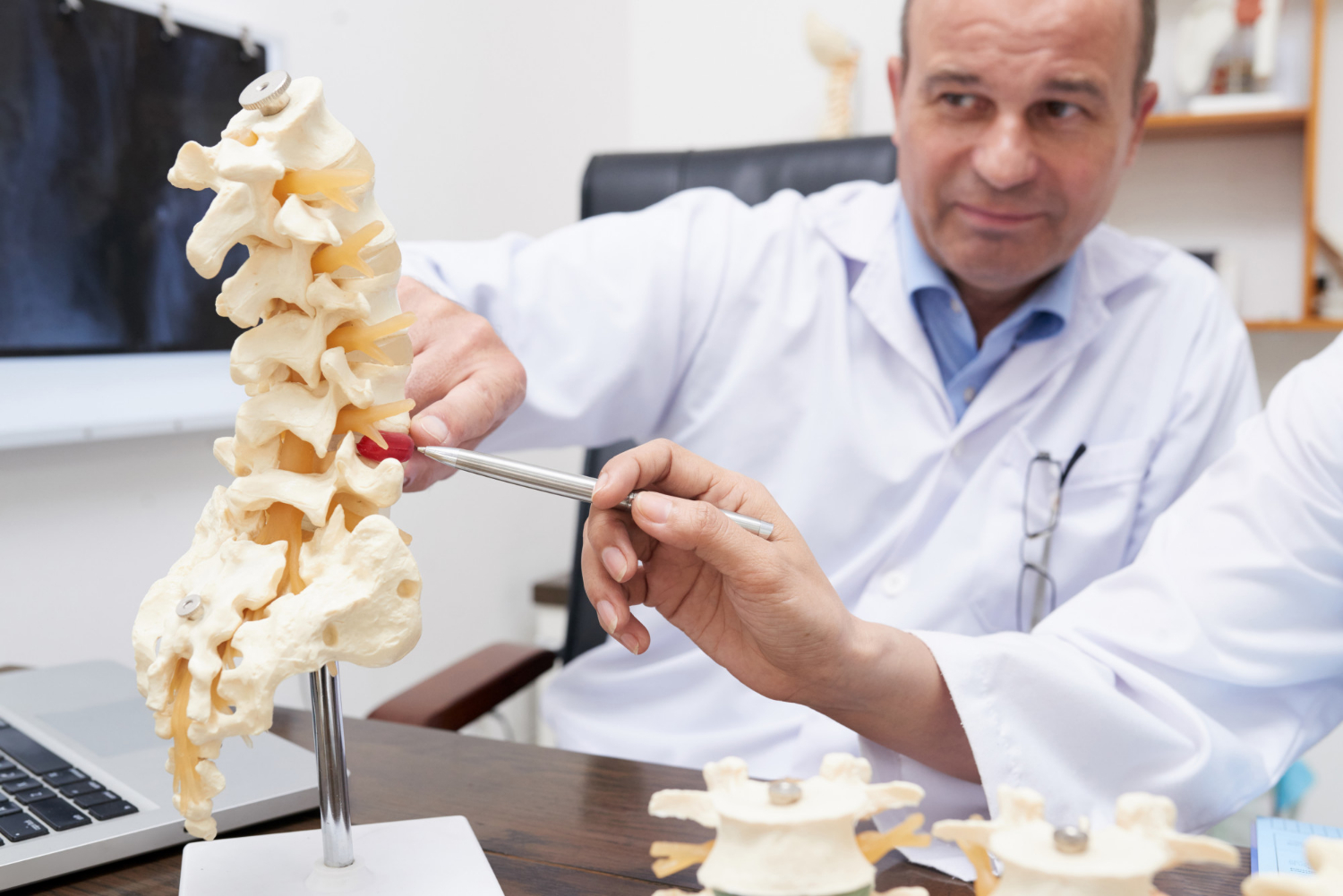
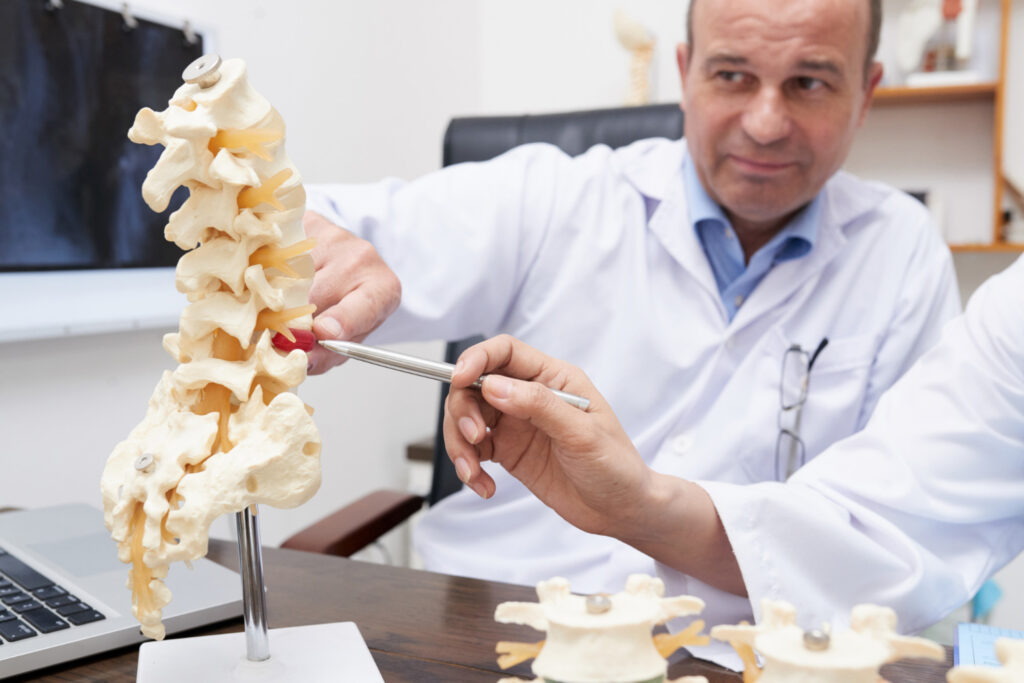
Lumbar spinal stenosis means the open space inside your lower spine is getting too tight. The spinal canal narrows and starts to press on the nerves that travel into your hips and legs. That nerve pressure can cause pain where the nerves go, not just where the spine is.
Common reasons this narrowing happens include:
- Age-related wear and tear in the joints of the spine
- Arthritis that thickens bone and joint tissue
- Disc degeneration that flattens or bulges the discs
- Thickened ligaments that bunch into the spinal canal
- Bone spurs after years of stress or prior injury or surgery
This usually does not happen overnight. At first, you might feel a little stiffness in your low back after standing for a while. Then it turns into aching or burning in the legs, needing to stop and rest more often, and finally constant pain or weakness that changes how you walk.
Catching spinal stenosis early matters because:
- Long-term nerve pressure can lead to lasting numbness or weakness
- Pain can push you to move less, which then weakens muscles and joints
- Daily tasks like shopping, cleaning, driving, and caring for family can become hard
The earlier the problem is understood, the easier it is to plan care that protects your function and independence.
Early Warning Signs You Should Never Ignore
Lumbar spinal stenosis has some classic patterns. You may notice:
- Low back pain that may spread into the buttocks or thighs
- Aching, burning, or heaviness in one or both legs
- Numbness, tingling, or pins-and-needles in the legs or feet
- Leg weakness or feeling like your legs might give way
- Pain that gets worse when walking or standing, and eases when sitting or bending forward
Many people notice small changes first. For example, you might:
- Lean over a shopping cart because it feels better than walking upright
- Avoid long lines at Cleburne events because standing in place hurts
- Take more breaks on walks around the neighborhood or at the park
- Skip yardwork or outdoor chores because your legs feel too heavy
This pattern of leg pain and fatigue from nerve pressure is called neurogenic claudication. It is different from poor blood flow in the legs, which is a vascular problem. With vascular issues, pain often keeps going even when you sit or lean forward. With spinal stenosis, bending forward or sitting usually brings noticeable relief.
Some symptoms are red flags that need urgent medical attention:
- Sudden loss of control of bladder or bowels
- New, severe weakness in one or both legs
- Rapidly worsening pain or numbness
These can point to serious nerve compression and should be checked right away.
Who in Cleburne Is Most at Risk This Summer
Lumbar spinal stenosis can affect many people, but some groups have higher risk, such as:
- Adults over 50
- People with osteoarthritis in the spine or other joints
- Anyone with a past back injury or spine surgery
- Those with a history of heavy physical work or repetitive lifting
- People with a family history of spine problems
Lifestyle patterns common around the DFW area can add stress to the lower back. Long hours of sitting or driving for work, frequent lifting, and carrying extra body weight can all increase strain on the lumbar spine. As summer brings more yard projects, DIY repairs, travel, and time on your feet, a narrowing spinal canal can be pushed over the edge.
Two common myths often keep people from getting checked:
- “It is just getting old.” While aging plays a role, intense pain or limits on walking are not something you have to simply accept.
- “I am just out of shape.” If your pain gets worse when standing and walking but eases when you sit or bend forward, it may be more than just fitness level.
If you notice new back or leg symptoms as you get more active in warm weather, it is smart to pay attention instead of pushing through.
How Specialists Diagnose Lumbar Spinal Stenosis in Cleburne
When you see a spine and pain specialist, the visit usually includes:
- A careful talk about your symptoms, when they started, and what makes them better or worse
- Questions about work, hobbies, and past injuries or surgeries
- A focused exam of your back, hips, and legs, including strength, reflexes, and sensation
Imaging helps confirm lumbar spinal stenosis and guide treatment. Depending on your situation, your provider may recommend:
- X-rays to look at bone alignment, arthritis, and disc height
- An MRI to see discs, nerves, ligaments, and soft tissues in detail
- A CT scan if MRI is not a good option or to better view bone changes
At Optimal Pain and Regenerative Medicine, we use image guidance to pinpoint where the pressure is coming from and to separate spinal stenosis from other problems like disc herniation, sacroiliac joint pain, or hip joint issues. Knowing the exact source of pain allows for a more focused care plan.
Getting an evaluation does not mean you are headed straight for surgery. For many people, the main goal is clarity, pain control, and a plan that fits their life.
Modern, Minimally Invasive Relief Options Near You
Treatment usually starts with conservative options, such as:
- Activity adjustments to avoid positions that flare symptoms
- Targeted physical therapy to support core strength and better body mechanics
- Short-term use of appropriate anti-inflammatory medicines when safe
- Bracing in select cases to support posture during certain activities
When symptoms do not improve enough, minimally invasive treatments may be added. At our clinic, we offer image-guided procedures such as:
- Epidural steroid injections to calm inflammation around irritated nerves
- Facet joint injections for pain coming from the small joints in the spine
- Medial branch blocks and radiofrequency ablation to address certain types of facet-related pain
We may also recommend regenerative and restorative approaches when appropriate. These therapies aim to support tissue healing and reduce inflammation in problem areas of the spine.
Surgical referral is usually reserved for situations like severe or progressive weakness, loss of function, or pain that does not respond to a full course of nonsurgical care. Catching lumbar spinal stenosis early and using modern, minimally invasive treatments can often delay or reduce the need for surgery, and help you keep moving with more comfort.
Take The Next Step Toward Lasting Back Pain Relief
If back or leg pain from lumbar spinal stenosis in Cleburne is limiting your daily activities, we are here to help you explore minimally invasive options. At Optimal Pain and Regenerative Medicine, we focus on targeted treatments that aim to relieve pressure on your spine and improve your mobility. To discuss your symptoms and see if you are a candidate, schedule a consultation by using our contact page today.